
Salary Insights: Understanding Compensation Trends in the U.S. Job Market
Salary Insights: Understanding Compensation Trends in the U.S. Job MarketThe hiring landscape in the United States continues to evolve as businesses respond to changing economic conditions, workforce expectations, and technological innovation. Finding qualified employees is no longer just about posting a job opening and waiting for applications to arrive. Today’s employers face a more competitive environment where attracting and retaining top talent requires a thoughtful recruitment strategy.
Whether you’re a startup hiring your first employee or an established organization expanding your workforce, understanding current hiring trends can help you make smarter recruitment decisions and build stronger teams.
Skills Are Taking Priority Over Degrees
One of the most noticeable hiring trends across the United States is the growing emphasis on skills-based recruitment. While educational qualifications remain important for many professions, employers are increasingly looking beyond degrees and focusing on practical experience, technical expertise, certifications, and problem-solving abilities.
Businesses have realized that candidates with the right skills often become high-performing employees regardless of where they completed their education. This broader approach to hiring also gives employers access to a larger talent pool while reducing unnecessary barriers for qualified professionals.
As industries continue to evolve, organizations are placing greater value on adaptability, continuous learning, and hands-on experience rather than relying solely on traditional qualifications.
Employers Are Hiring More Strategically
In recent years, many organizations have shifted from rapid hiring to strategic workforce planning. Instead of filling every vacancy immediately, businesses are carefully evaluating each position to determine how it contributes to long-term business goals.
Hiring managers are asking important questions before creating new positions. They want to know whether a role supports future growth, whether responsibilities can be streamlined through technology, and whether internal employees can be developed before hiring externally.
This more deliberate approach helps companies reduce unnecessary hiring costs while ensuring every new employee contributes meaningful value to the organization.
Workplace Flexibility Continues to Attract Talent
Although many businesses have returned to office-based work, flexible working arrangements continue to influence hiring decisions across the United States. Candidates increasingly expect employers to offer hybrid schedules, remote work opportunities, or flexible working hours whenever possible.
For many professionals, flexibility is no longer viewed as a temporary benefit but as an important part of maintaining work-life balance. Employers who offer flexible working arrangements often attract a broader range of qualified candidates while improving employee satisfaction and retention.
Organizations that cannot provide fully remote positions can still remain competitive by offering flexible scheduling, compressed workweeks, or hybrid work models that accommodate both business needs and employee expectations.
Artificial Intelligence Is Improving Recruitment
Artificial intelligence has become one of the most significant developments in modern recruitment. AI-powered recruiting tools help employers automate repetitive tasks such as resume screening, candidate matching, interview scheduling, and applicant communication.
Instead of replacing recruiters, AI allows hiring professionals to spend more time interviewing candidates, building relationships, and making informed hiring decisions. By reducing administrative work, recruiters can focus on evaluating communication skills, cultural fit, leadership potential, and other qualities that technology cannot accurately assess.
Businesses adopting AI responsibly are often able to shorten hiring timelines while improving the overall candidate experience.
Employer Branding Is More Important Than Ever
Today’s job seekers research potential employers before submitting an application. Company websites, employee reviews, social media presence, and workplace culture all influence how candidates perceive an organization.
A professional employer brand helps businesses stand out in competitive industries. Companies that communicate their values, showcase employee success stories, and maintain transparent recruitment processes are more likely to attract qualified professionals.
Employer branding is no longer limited to large corporations. Small and medium-sized businesses can also strengthen their reputation by creating a positive candidate experience and demonstrating their commitment to employee development.
Candidate Experience Can Determine Hiring Success
The recruitment process itself plays a major role in attracting top talent. Candidates expect clear communication, timely feedback, and an organized interview process from the moment they submit an application.
Lengthy hiring procedures, poor communication, or unclear expectations can discourage highly qualified professionals from continuing with an employer. Since many experienced candidates receive multiple job offers, delays in the hiring process often result in losing strong applicants to competing organizations.
Businesses that prioritize candidate experience frequently improve both hiring success and employer reputation.
Demand Remains Strong for Specialized Talent
Although hiring activity has become more balanced across many industries, demand remains high for professionals with specialized skills. Healthcare, technology, manufacturing, engineering, construction, logistics, finance, and skilled trades continue to experience strong demand for experienced workers.
Competition for these professionals has encouraged employers to improve compensation packages, invest in professional development, and create more attractive workplace cultures.
Organizations that move quickly through the hiring process and maintain strong relationships with candidates often secure the best talent before competitors have an opportunity to make an offer.
Data-Driven Recruitment Is Becoming Standard Practice
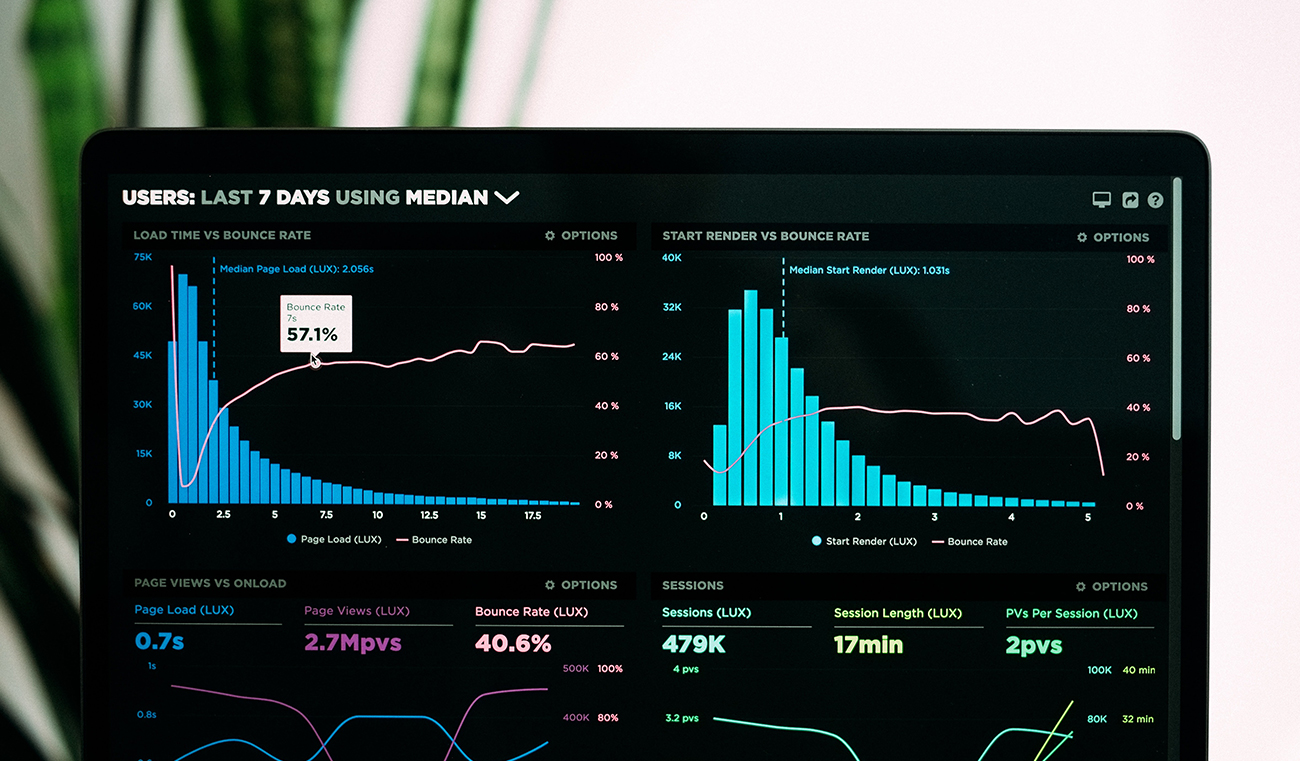
Businesses are increasingly using recruitment data to improve hiring decisions. Metrics such as time-to-hire, cost-per-hire, quality of hire, employee retention, and source of hire provide valuable insights that help organizations refine their recruitment strategies.
Rather than relying on assumptions, employers can use data to identify recruitment bottlenecks, evaluate sourcing channels, and improve future hiring outcomes. This data-driven approach enables businesses to make more informed workforce decisions while reducing recruitment costs.
As recruitment technology continues to advance, data analytics will play an even greater role in workforce planning and talent acquisition.
Building a Workforce for the Future
The future of hiring is about more than simply filling open positions. Successful organizations focus on building adaptable, skilled, and engaged teams capable of supporting long-term business growth.
Employers are investing in employee training, leadership development, succession planning, and workplace culture to improve retention and prepare for future workforce needs. By viewing recruitment as a strategic investment rather than an administrative task, businesses create stronger foundations for sustainable success.
Organizations that embrace innovation while maintaining a people-focused approach will continue to attract high-quality professionals in an increasingly competitive labor market.
Final Thoughts
Hiring trends in the United States continue to evolve as businesses adapt to changing workforce expectations and technological advancements. Employers that prioritize skills-based hiring, embrace recruitment technology, strengthen their employer brand, and deliver an outstanding candidate experience will be better positioned to attract and retain top talent.
At WhenvHire, we help businesses simplify recruitment by connecting them with qualified professionals across a wide range of industries. Whether you need onsite recruitment, remote staffing, offshore teams, or AI-powered workforce solutions, our experienced recruitment specialists provide customized hiring solutions designed to support your business goals.
Finding the right people is one of the most important investments any organization can make. With the right recruitment strategy and a trusted hiring partner, businesses can build stronger teams that drive long-term growth and success.
Artificial intelligence (AI) is rapidly changing the way businesses recruit and hire employees across the United States. What was once considered a futuristic technology has become a practical tool that helps organizations streamline hiring, improve efficiency, and make more informed recruitment decisions. From screening resumes to scheduling interviews, AI is helping employers save time while allowing recruiters to focus on what matters most—building relationships with candidates and finding the right people for the job.
Despite the growing popularity of AI, there is still considerable uncertainty about how it should be used. Some employers worry that automation could replace recruiters, while others question whether AI can accurately evaluate a candidate’s potential. The reality is that AI is not replacing recruitment professionals. Instead, it is becoming a valuable assistant that handles repetitive tasks while enabling recruiters to make better hiring decisions through data and technology.
Understanding AI in Recruitment
Artificial intelligence in recruitment refers to software that uses machine learning, automation, and data analysis to support various stages of the hiring process. These tools can review resumes, identify qualified candidates, rank applicants based on job requirements, automate interview scheduling, answer common candidate questions through chatbots, and even provide insights that help recruiters make faster decisions.
Rather than replacing human judgment, AI allows recruiters to spend less time on administrative work and more time evaluating candidates, conducting interviews, and understanding the specific needs of hiring managers.
As recruitment continues to evolve, businesses of all sizes are discovering that AI is no longer reserved for large corporations. Small and medium-sized businesses are also adopting AI-powered recruiting tools to remain competitive in today’s labor market.
Faster Hiring Without Sacrificing Quality
One of the biggest challenges employers face is the amount of time required to fill open positions. Recruiters often receive hundreds of applications for a single job opening, making it difficult to review every resume thoroughly within a reasonable timeframe.
AI-powered recruitment software can analyze resumes within minutes, comparing candidate qualifications with job requirements and identifying applicants who closely match the role. This significantly reduces manual screening time and allows recruiters to focus their attention on interviewing the most qualified candidates.
Faster screening also benefits job seekers. Candidates receive responses more quickly, interviews can be scheduled sooner, and employers reduce the risk of losing top talent to competing companies because of lengthy hiring processes.
Improving Candidate Matching
Finding candidates who truly fit a position involves more than matching keywords on a resume. Modern AI systems analyze skills, certifications, work history, experience levels, and other relevant data to identify candidates whose backgrounds align with the specific requirements of a role.
Some AI platforms can even recommend candidates for future openings based on previous applications, allowing employers to build stronger talent pipelines without starting every recruitment process from scratch.
While AI improves candidate matching, experienced recruiters remain essential in evaluating qualities such as communication skills, leadership ability, adaptability, and cultural fit—factors that technology alone cannot fully measure.
Enhancing the Candidate Experience
Today’s job seekers expect a smooth, professional hiring experience. Long response times and poor communication can discourage qualified candidates from continuing with an application or accepting a job offer.
Artificial intelligence helps improve the candidate experience by automating routine communication throughout the recruitment process. Chatbots can answer frequently asked questions, confirm application submissions, provide interview reminders, and keep applicants informed about the status of their application.
These automated communications create a more responsive hiring process while allowing recruiters to dedicate more time to meaningful conversations with finalists and hiring managers.
A positive candidate experience not only increases the likelihood of successful hires but also strengthens an employer’s reputation in a competitive labor market.
Reducing Administrative Work for Recruiters
Recruitment involves much more than interviewing candidates. Recruiters spend significant time reviewing resumes, updating applicant tracking systems, coordinating interview schedules, communicating with hiring managers, and managing recruitment documentation.
Artificial intelligence automates many of these repetitive administrative tasks, allowing recruitment professionals to become more productive without increasing their workload.
Instead of spending hours organizing applications or scheduling interviews, recruiters can focus on building relationships with candidates, understanding business objectives, and making strategic hiring recommendations.
This shift enables recruitment teams to provide greater value to organizations while improving hiring efficiency.
Using Recruitment Data to Make Better Decisions
One of the greatest advantages of AI is its ability to analyze large amounts of recruitment data. Hiring managers can gain valuable insights into important recruitment metrics such as time-to-hire, source of hire, interview conversion rates, offer acceptance rates, and employee retention.
By identifying patterns within recruitment data, businesses can continuously improve their hiring strategies. For example, employers may discover that candidates from a particular sourcing channel remain with the company longer or that certain interview stages create unnecessary delays.
These insights allow organizations to make evidence-based decisions rather than relying solely on assumptions or past practices.
Responsible AI Requires Human Oversight
Although AI offers many benefits, responsible implementation is essential. Artificial intelligence should support recruitment decisions rather than replace human judgment.
Employers must ensure that AI systems are regularly monitored to reduce the risk of bias, maintain transparency, and protect candidate privacy. Human recruiters should always review important hiring decisions and ensure that qualified candidates are evaluated fairly.
Successful organizations view AI as a decision-support tool rather than an automated hiring manager. The combination of technology and experienced recruiters produces better hiring outcomes than either approach alone.
Preparing for the Future of Recruitment
Artificial intelligence will continue to play an increasingly important role in recruitment over the coming years. As AI technology becomes more sophisticated, employers can expect further improvements in workforce planning, predictive hiring analytics, talent forecasting, and personalized candidate engagement.
Businesses that embrace technology while maintaining a people-focused recruitment strategy will be better positioned to attract highly qualified professionals and respond quickly to changing workforce needs.
However, organizations should remember that recruitment is ultimately about people. Technology can identify potential candidates, but experienced recruiters remain essential for building trust, evaluating interpersonal skills, and helping candidates make informed career decisions.
How Businesses Can Successfully Adopt AI Recruitment
Employers considering AI recruitment solutions should begin by identifying areas where automation can provide the greatest value. Resume screening, interview scheduling, recruitment marketing, candidate communication, and reporting are often excellent starting points.
It is equally important to choose technology that integrates well with existing recruitment processes and complements the work of internal HR teams rather than replacing it. Regular training ensures recruiters understand how to use AI effectively while maintaining high standards of professionalism and fairness.
Organizations that introduce AI gradually often achieve better long-term results than those attempting to automate every aspect of recruitment at once.
The Future Belongs to Human-Centered Recruitment
The future of recruitment is not about choosing between people and technology—it is about combining both. Artificial intelligence enables recruiters to work more efficiently, but successful hiring will always depend on human expertise, relationship building, and thoughtful decision-making.
Businesses that balance automation with personalized recruitment practices will continue to attract stronger candidates, improve employee retention, and build more resilient workforces.
As hiring becomes increasingly competitive, employers who embrace innovation while keeping people at the center of every hiring decision will be better prepared for long-term success.
Final Thoughts
Artificial intelligence is transforming recruitment across the United States by making hiring faster, more efficient, and more data-driven. From resume screening and candidate matching to interview scheduling and recruitment analytics, AI helps employers streamline the hiring process while improving the overall candidate experience.
However, technology alone cannot replace the experience, judgment, and relationship-building skills that professional recruiters bring to every hiring decision. The most successful organizations use AI to enhance their recruitment strategy while relying on experienced recruiters to identify the individuals who will contribute to long-term business success.
At WhenvHire, we combine modern recruitment technology with experienced recruitment professionals to help businesses hire smarter. Whether you need onsite recruitment, remote staffing, offshore teams, or AI-powered workforce solutions, we provide customized hiring solutions designed to connect you with qualified professionals who can help your business grow.